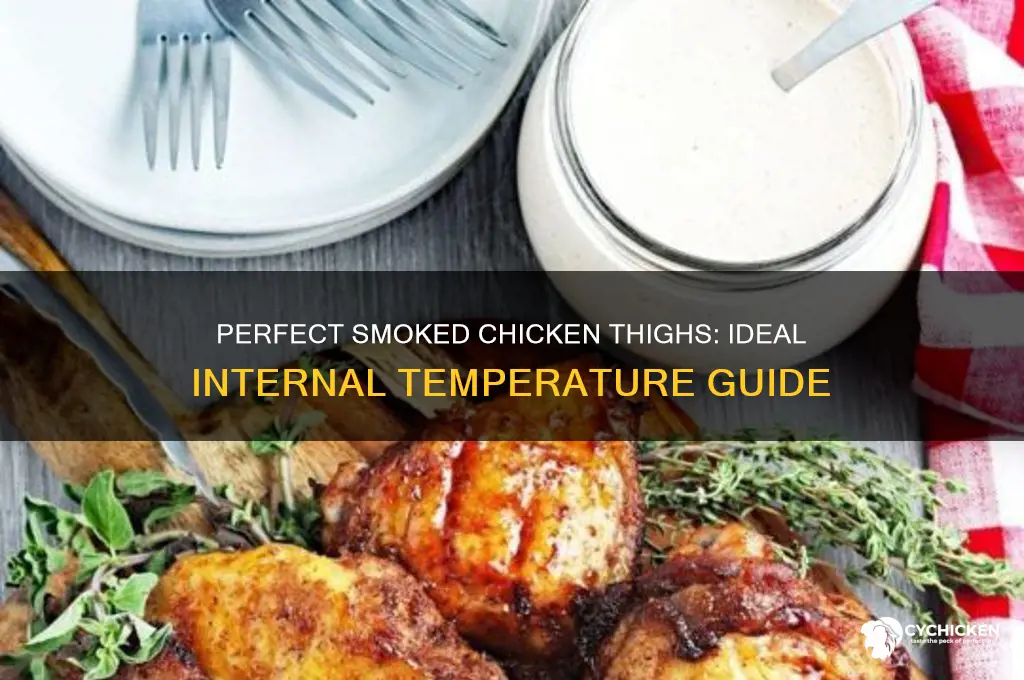
Smoked chicken thighs are a true testament to the magic of low-and-slow cooking, transformed by the subtle kiss of wood smoke into incredibly juicy, flavorful masterpieces. While often overshadowed by ribs or brisket, chicken thighs offer a quick, cost-effective, and remarkably forgiving entry point into the world of BBQ. Their rich, dark meat nature means they inherently resist drying out, making them a favorite for both novice pitmasters and seasoned pros. The ultimate secret to achieving that perfect, melt-in-your-mouth texture isn't just about time, but precisely understanding and hitting the right internal temperatures.
Forget everything you think you know about cooking chicken to a mere 165°F. For dark meat like thighs, pushing the boundaries a little further unlocks a whole new dimension of tenderness and flavor. This guide will walk you through the precise internal temperatures and techniques needed to master smoked chicken thighs, ensuring a consistently delicious result with that coveted crispy skin every single time.
The Science of Juicy Dark Meat: Why Temperature Matters for Thighs
Unlike lean chicken breasts, which can quickly become dry and stringy if overcooked past 165°F, chicken thighs thrive at higher internal temperatures. This fundamental difference lies in their composition. Chicken thighs are rich in connective tissue and contain more fat, particularly collagen. While 165°F is the scientifically recognized safe temperature for poultry, it’s merely the point where harmful bacteria are eliminated. It doesn't necessarily dictate optimal texture for all cuts.
For dark meat, the magic truly happens between 175°F and 185°F, and even up to 195°F. As the meat reaches these higher temperatures, the collagen, a tough protein, begins to break down and convert into gelatin. This process is crucial for transforming the often chewy texture of connective tissue into a succulent, tender, and incredibly moist bite. The extra fat content in thighs helps lubricate the muscle fibers, preventing them from drying out even as they reach these elevated temperatures. This makes smoked chicken thighs incredibly forgiving and difficult to "overcook" in the traditional sense, especially when compared to leaner cuts. For a comprehensive guide on achieving optimal results, delve into our article: Smoked Chicken Thighs: Easy Steps for Juicy Meat & Crispy Skin.
Two-Stage Smoking: The Path to Crispy Skin and Tender Meat
Achieving perfectly tender, smoky meat alongside gloriously crispy skin is the holy grail for smoked chicken thighs. This seemingly contradictory goal is easily met with a strategic two-stage cooking method that leverages different temperature zones in your smoker.
- The Smoke Absorption Phase (Low & Slow): Begin by setting your smoker to a consistent temperature of 250°F. This lower temperature allows the chicken thighs to slowly absorb the rich flavors of your chosen smoking wood without rushing the cooking process. During this phase, the fat beneath the skin slowly renders, preparing it for the crisping stage. You'll want to maintain this temperature until the internal temperature of the thickest part of the thighs reaches approximately 120-130°F. Depending on the size of your thighs, this initial phase typically takes around 1 to 1.5 hours for bone-in thighs.
- The Crisping Phase (High Heat Finish): Once your thighs hit the 120-130°F mark, it's time to crank up the heat. Increase your smoker's temperature to a scorching 375°F to 400°F. This sudden burst of high heat achieves several critical things:
- Skin Crispiness: The elevated temperature rapidly renders any remaining fat under the skin and causes the skin itself to dehydrate and crisp up beautifully, preventing that dreaded rubbery texture. The Maillard reaction, responsible for browning and developing complex flavors, truly kicks into high gear here.
- Final Cook to Perfection: Continue cooking at this higher temperature until the internal temperature of the thighs reaches your target range of 175-185°F (or up to 195°F for ultimate tenderness). This final surge of heat quickly brings the dark meat to its ideal breakdown point.
The total cooking time for bone-in, skin-on thighs using this method is usually between 1.5 to 2 hours, but remember, always cook to temperature, not strictly to time.
Choosing Your Thighs: Bone-In vs. Boneless & Flavor Enhancements
The type of chicken thigh you choose can influence both cooking time and final flavor. While boneless, skinless thighs are convenient, bone-in, skin-on thighs are overwhelmingly recommended for smoking.
- Bone-In, Skin-On Thighs: These are the champions of the smoker. The bone acts as an insulator, helping the meat cook more evenly and retain moisture. The skin, when properly rendered and crisped, adds an incredible textural contrast and boosts flavor. Plus, they often come at a more economical price point.
- Boneless, Skinless Thighs: These will cook significantly faster due to the absence of the bone and skin. If you opt for boneless, be extra vigilant with your internal temperature monitoring to avoid drying them out, aiming for the same 175-185°F range for tenderness. While convenient, they will lack the crispy skin experience that elevates smoked thighs.
Boosting Flavor: Dry Rubs & Marinades
While smoked chicken thighs are flavorful on their own, a good dry rub or marinade can elevate them to competition-level deliciousness:
- Balanced Dry Rubs: A simple yet effective dry rub forms a flavorful crust on the chicken. Look for blends with salt, pepper, garlic powder, onion powder, paprika, and a touch of cayenne for a subtle kick. Apply generously and let it adhere for at least 30 minutes, or ideally, several hours in the refrigerator.
- Marinades for Depth: For an unparalleled flavor infusion and extra juiciness, consider marinating your chicken thighs. A vinegar-based marinade, like Italian dressing, not only adds incredible flavor but can also help tenderize the meat. Even an hour in the fridge can make a difference, but overnight marinating yields the best results, allowing the flavors to penetrate deep into the meat fibers. For an in-depth exploration of how marination can transform your smoked chicken, explore our guide: Boost Flavor: Marinade Smoked Thighs for Next-Level Juiciness.
The Best Wood for Smoking Chicken Thighs
When it comes to wood selection, remember that chicken has a relatively delicate flavor compared to beef or pork. Opt for mild, fruity, or subtly smoky woods that complement rather than overpower:
- Apple: Sweet, mild, and fruity. A classic choice for poultry.
- Cherry: Slightly sweeter than apple, imparts a beautiful reddish hue to the skin.
- Oak: A medium-strength wood that provides a clean, robust smoke flavor without being too aggressive.
- Light Hickory: While hickory can be strong, a lighter application (or a blend with milder woods) provides a traditional BBQ flavor that pairs well with dark meat.
Essential Tools and Post-Smoke Care
To truly master smoked chicken thighs, a few essential tools and techniques will ensure consistent success:
- Reliable Meat Thermometer: This is non-negotiable. An instant-read thermometer is crucial for accurately gauging internal temperatures at various stages. Consistency in temperature readings is key to hitting that perfect 175-185°F sweet spot.
- Don't Crowd the Grates: Ensure there's adequate airflow around each thigh in your smoker. Crowding can lead to uneven cooking and inhibit proper skin crisping.
- The Resting Period: Once your thighs reach their target internal temperature, resist the urge to cut into them immediately. Transfer them to a cutting board, tent loosely with foil, and let them rest for 5-10 minutes. This allows the juices to redistribute throughout the meat, resulting in an even more tender and succulent bite.
Storing and Reheating Leftovers
Should you be fortunate enough to have any leftover smoked chicken thighs, they store remarkably well. Place them in an airtight container and refrigerate for up to 4 days. When reheating, a 300°F oven or smoker works perfectly. For best results, place them on a wire rack over a baking sheet and heat until warmed through. If you desire that crispy skin again, finish them off at a slightly higher temperature (e.g., 375-400°F) for a few minutes until the skin crisps up.
Mastering smoked chicken thighs is a rewarding journey that pays dividends in flavor and culinary satisfaction. By understanding the unique properties of dark meat and adhering to the precise internal temperatures for each stage of the cook, you'll consistently produce thighs that are incredibly juicy, deeply smoky, and boast that irresistible crispy skin. So fire up your smoker, grab your thermometer, and get ready to enjoy some of the best chicken you've ever tasted.
